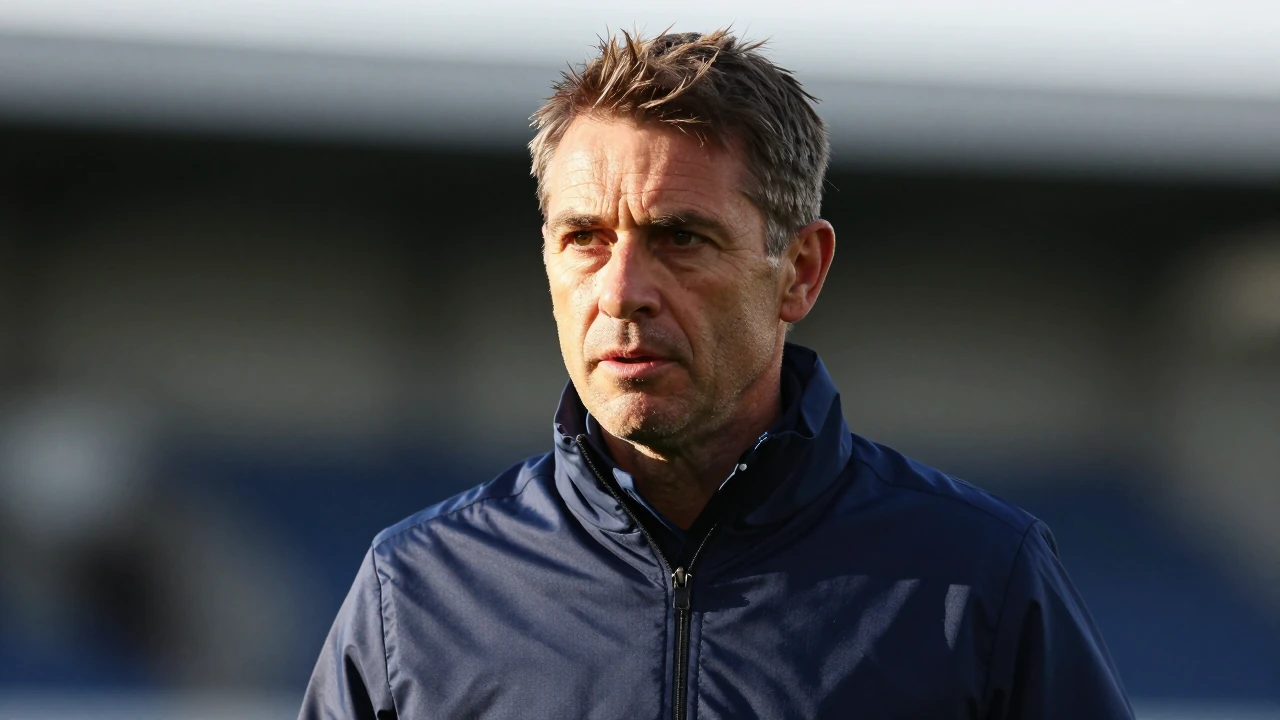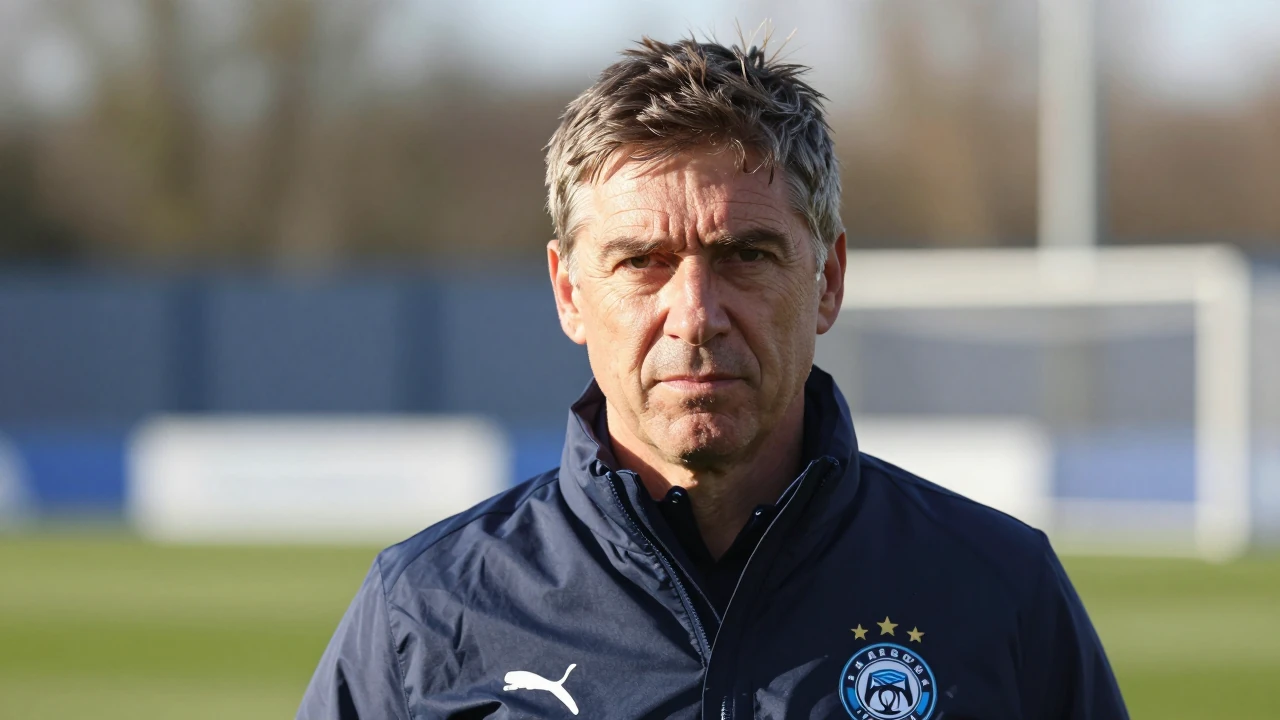
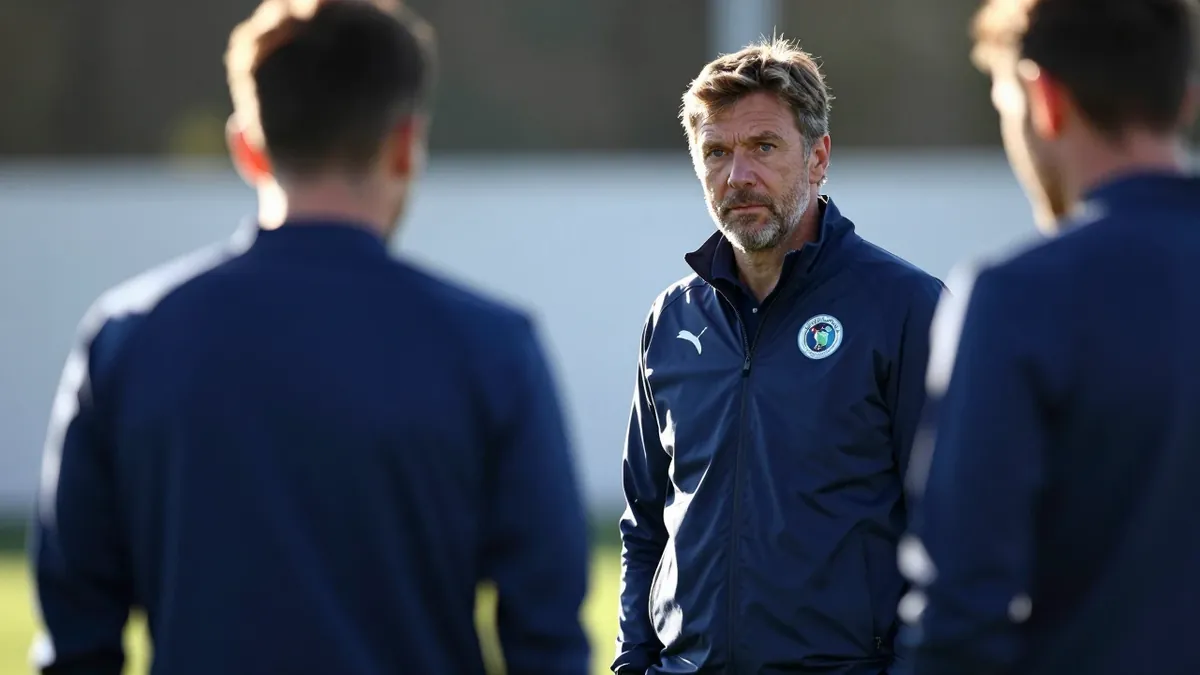
San Lorenzo de Almagro faces a decisive week with the return of Rubén Darío Insúa as manager and a victory that eases pressure in the Liga Profesional. According to La Nación, the coach arrived this Sunday to begin his third spell in charge of the team, which currently sits tenth with 10 points from eight matches.
Between Insúa's departure in April 2024 and his return in September 2026, the club endured deep institutional turmoil. La Nación reports that seven presidents passed through the entity during those 880 days: Marcelo Moretti, Néstor Navarro, Julio Lopardo, Daniel Matos, Ulises Morales, Sergio Costantino and Marcelo Culotta.
On the sporting side, five managers led the first team in those 29 months. Leandro Romagnoli was the first to replace Insúa, followed by Miguel Ángel Russo, Damián Ayude, Gustavo Álvarez and Néstor Raúl Gorosito. The latter was recently dismissed after achieving only two wins in eight official matches.
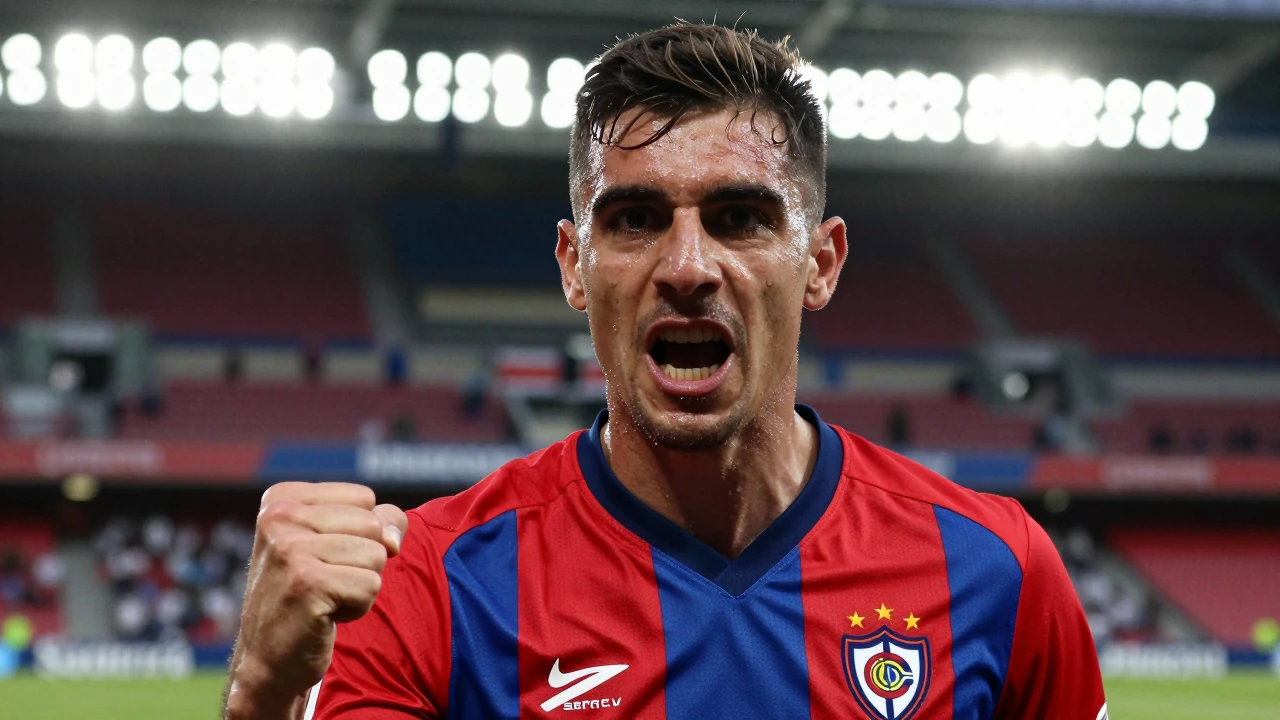
With Walter Perazzo as interim manager, San Lorenzo secured a needed victory against Talleres on September 5th. Alexis Cuello scored the only goal of the match in the 63rd minute, converting a cross from Facundo Farías according to La Nación's match report.
The win came in a complex context for El Ciclón, which has scored only three goals while conceding five this season. Their -2 goal difference is a figure that must improve if they hope to close the six-point gap to leaders Gimnasia. Fans can track the team's progress on our stats page.
Rubén Darío Insúa takes over a team showing inconsistent form in the domestic championship. Their recent record of two wins, one draw and two losses in the last five matches reflects the instability he aims to correct.
The immediate challenge comes on September 13th, when San Lorenzo visits fifth-placed Independiente. This match is part of a series of fixtures supporters can follow on our fixtures calendar. Insúa must quickly organize a squad that aims to qualify for the playoffs and compete in international cups.
The manager's task is complicated by the institutional context left behind. During his previous spell, Insúa managed 99 matches with a 51% points rate, numbers he must now surpass under more difficult conditions. His return marks the start of a new project attempting to stabilize the club both on and off the pitch.