 San Lorenzo de Almagro Hub
The Soul of Los Cuervos: A Journey into Fan Culture
San Lorenzo de Almagro, known affectionately as Los Cuervos, boasts one of the most passionate and dedicated fan bases in Argentina. The supporters of San Lorenzo are not just onlookers; they are an integral part of the club’s identity, infusing each match day with a sense of tradition and fervor that electrifies the stadium.
The Atmosphere of the Derby
The rivalry with Huracán, known as the Clásico, is the pinnacle of San Lorenzo’s fan culture. When the two sides meet, the atmosphere is nothing short of electric. Fans from both camps fill the stands, creating a sea of colors that reflect their loyalty—San Lorenzo’s iconic blue and red contrasts sharply with Huracán’s white and red. The chants and songs resonate throughout the stadium, creating a cacophony of noise that elevates the derby experience to another level.
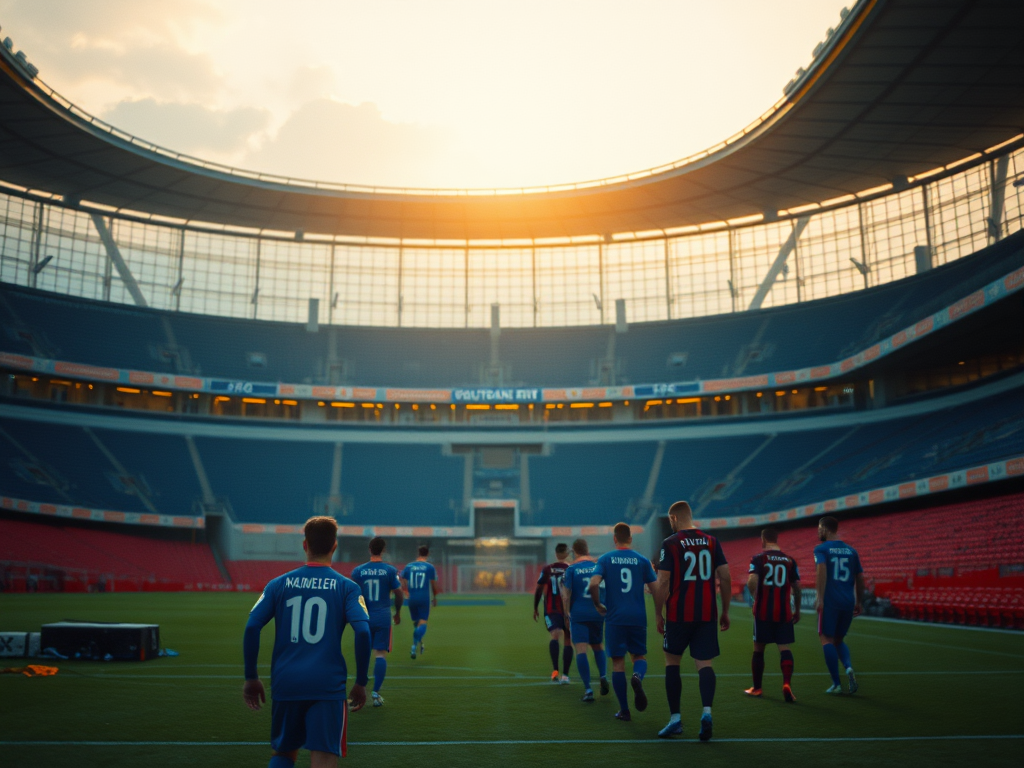
As the teams take the field, the fervor reaches a fever pitch. San Lorenzo supporters often unveil massive banners, known as "trapos," that cover entire sections of the stands, showcasing their pride and history. These displays are not just for show; they serve as a rallying cry, igniting the players and instilling fear in the opposition. The sound of drums, horns, and synchronized chants transforms El Nuevo Gasómetro into a fortress for Los Cuervos, making it clear to all who enter that they are in the heart of San Lorenzo territory.
Pre-Match Rituals
The journey to the stadium is a ritual in itself for many fans. Groups often gather in local bars or plazas before the match, sharing food, drinks, and stories while preparing for the clash ahead. It’s a time for camaraderie, where the older generations pass on tales of legendary matches and players to the younger fans, ensuring that the spirit of San Lorenzo lives on.
As match time approaches, the excitement builds. The supporters march together towards the stadium, chanting and singing, often accompanied by flares that light up the sky, creating an atmosphere that feels almost otherworldly. Upon entering El Nuevo Gasómetro, fans participate in a traditional "saludo" (greeting) to the team, a moment where everyone unites in a show of solidarity and support. This gesture reinforces the bond between the players and the fans, reminding them that they are all part of the same family.
In-Game Traditions
Once the match begins, the rituals continue. San Lorenzo supporters are known for their unwavering loyalty; regardless of the score, they sing and cheer throughout the entire game. The sound of the crowd swells with every shot on goal, and the tension is palpable during moments of near-miss or controversy. One cannot forget the iconic "ole, ole, ole, San Lorenzo, San Lorenzo" chant that reverberates through the stadium, a reminder of the club’s rich history and the pride of its fans.
At halftime, the energy doesn’t wane. Fans take this opportunity to share their thoughts on the first half, critiquing plays, celebrating good moments, and rallying each other for the second half. The traditions of San Lorenzo are not just limited to the stands; they extend to the very essence of what it means to be a supporter.
Post-Match Celebrations and Reflection
Win or lose, the passion doesn’t fade at the final whistle. After the match, the celebrations continue, or in the case of defeat, the fans regroup at their local haunts, discussing the match's highlights and lowlights with fervor. For many, being a part of Los Cuervos means sharing in the highs and the lows of the club, reinforcing the community that surrounds it.
In conclusion, the culture of San Lorenzo de Almagro is a vibrant and dynamic force that shapes the lives of its supporters. From the electric atmosphere of the derby against Huracán to the profound traditions that unfold before, during, and after each match, Los Cuervos embody a spirit of loyalty and passion that is truly unique in the world of football. In Buenos Aires, football is more than a game; it’s a way of life, and for San Lorenzo fans, it’s a tradition that will be cherished for generations to come.